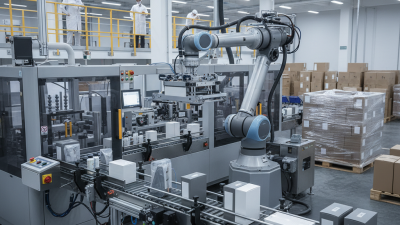
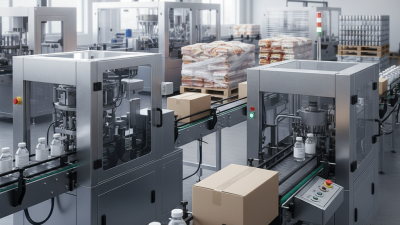
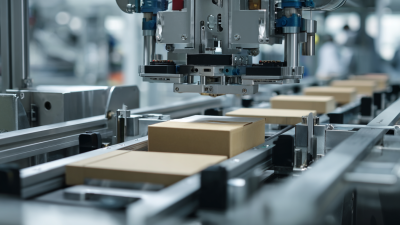
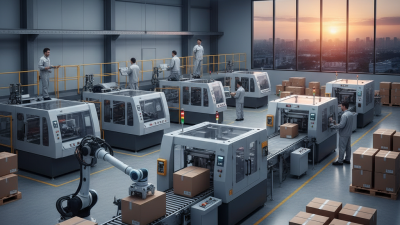
In the fast-paced food industry, efficiency is paramount. Packaging plays a crucial role in product safety and freshness. Recent studies show that the global food packaging machinery market is projected to reach $45 billion by 2025, highlighting its significance. Investing in advanced food packaging machines can significantly enhance productivity and reduce waste.
The various types of food packaging machines available today cater to diverse needs. These machines not only automate processes but also ensure consistency in packaging. However, choosing the right machine can be challenging. Each type has its strengths and limitations. Understanding these nuances is essential for businesses aiming for growth.
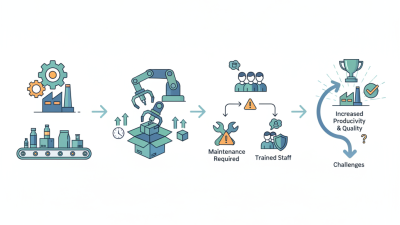
While technology brings numerous advantages, integrating new machines often requires training and adaptation. Companies must assess their operational needs carefully. Striking a balance between automation and manual oversight remains a topic of discussion. Continuous improvement and adaptation to industry trends are vital for success in food packaging.
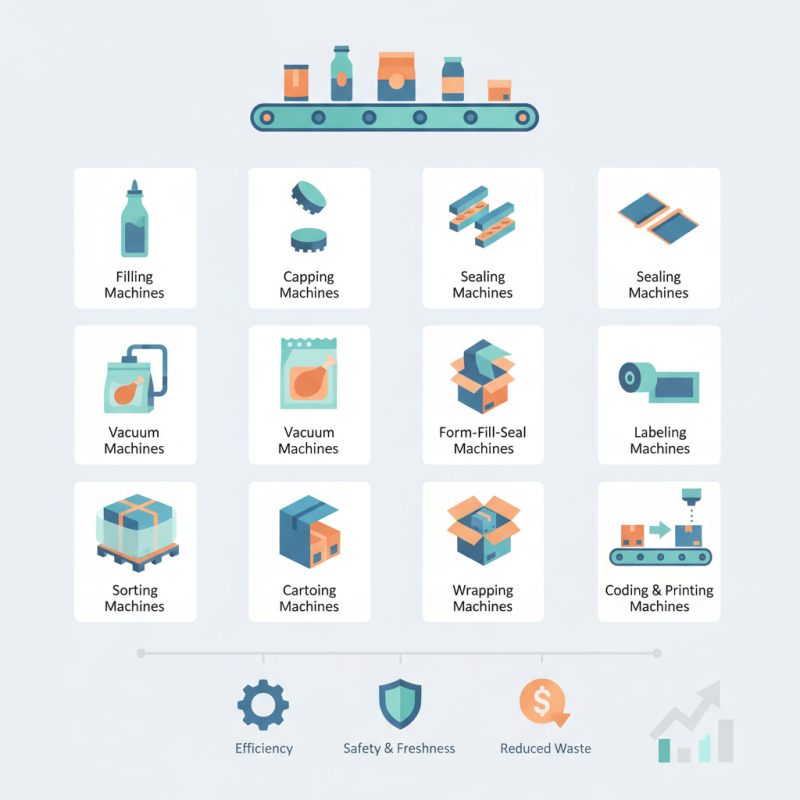
The food packaging industry has evolved significantly over recent years. With the rise in demand for different food products, selecting the right packaging machine is essential. According to a report by Technavio, the global food packaging machinery market is expected to grow by $6.29 billion from 2022 to 2026. This growth reflects the increasing need for efficient packaging solutions tailored to diverse food products.
Food packaging machines vary greatly. For instance, vertical form-fill-seal machines excel at packaging snacks and cereals. Their efficient, high-speed operation reduces labor costs. On the other hand, sealed pouches are perfect for liquids like sauces and soups, providing airtight seals that extend shelf life. Shrink wrapping is another popular option, especially for fresh produce. It maintains freshness while showcasing the product beautifully.
**Tip:** Always assess your product type before choosing a machine. Some machines may not accommodate custom shapes or sizes. Additionally, consider future growth in your production line. Investing in adaptable machines can save costs long term. There’s no one-size-fits-all solution in food packaging; each type carries advantages and drawbacks. Understanding your specific needs will guide better decisions.
| Machine Type | Food Products | Key Features | Efficiency |
|---|---|---|---|
| Vertical Form Fill Seal | Powders, Granules | Automatic sealing, Compact design | High-speed |
| Horizontal Flow Wrapper | Snacks, Bakery items | Versatile, Adjustable | Moderate-speed |
| Shrink Wrapper | Bottles, Cans | Space-saving, Tamper-proof | High-speed |
| Case Packer | Beverages, Canned goods | Robust, High capacity | Very high-speed |
| Cup Filling Machine | Dairy, Sauces | Precise filling, Multi-cup | High-speed |
| Pneumatic Filling Machine | Liquids, Pastes | Accurate, Easy to clean | Moderate-speed |
| Labeling Machine | Various products | Versatile, Customizable | High-speed |
| Vacuum Packing Machine | Meats, Cheese | Preservation, Space-saving | High-speed |
| Weighing and Packing Machine | Snacks, Nuts | Automatic weighing, Fast | Very high-speed |
| Automatic Cartoning Machine | Dairy, Confectionery | Speed, Efficiency | Very high-speed |
In the world of food packaging, choosing the right machinery plays a crucial role in efficiency. Automated food packaging machines are increasingly popular. They can significantly speed up the packaging process. These machines handle bulk items easily, ensuring uniformity and reducing waste. This consistency can enhance the product's appeal on store shelves.
Manual packaging machines still have their place, especially for small operations. They require less initial investment. Businesses can quickly adapt their processes based on seasonal demand. However, reliance on manual labor can lead to variability in quality. Workers may tire, leading to mistakes.
Automated systems come with their challenges too. Initial setup may be complex, requiring specialized training. Some machines might struggle with delicate items, causing damage. Businesses must weigh these factors carefully. It is essential to analyze the specific needs of the operation to make an informed choice.
When selecting a food packaging machine, several key features are crucial. Speed and efficiency often top the list. Machines capable of operating at higher speeds reduce bottlenecks in production. An efficient machine minimizes downtime, which can be costly for businesses. Additionally, consider the machine's adaptability. It should handle various packaging types and sizes without extensive adjustments. This flexibility is vital for businesses that offer diverse products.
Another important aspect is the machine's reliability. A dependable machine reduces the risk of malfunctions, ensuring consistent packaging quality. Look for machines with user-friendly interfaces. Simple controls can streamline training for operators. Maintenance is also a critical factor. Machines that are easier to maintain save time and reduce operational costs. Even minor issues can lead to delays, so regular service and support from the manufacturer matter greatly.
Lastly, pay attention to safety features. Packaging machines should include safeguards that protect operators. While they are designed for efficiency, safety should never be compromised. Being aware of potential risks is essential for any operation. These considerations create a balance between efficiency and safety, ultimately leading to effective packaging solutions.
Sustainable food packaging technology is evolving rapidly. With increasing consumer awareness, the demand for eco-friendly solutions grows. A report by Grand View Research predicts the global sustainable packaging market will reach $500 billion by 2028, at a CAGR of 7.7%. This shift emphasizes not only reducing waste but also using renewable materials.
One trend is biodegradable packaging. Materials like cornstarch and mushroom-based options are gaining traction. These alternatives decompose more quickly than traditional plastics. Another focus is on lightweight packaging, which reduces material usage and transportation emissions. The Food and Beverage Packaging Market is projected to see substantial growth, driven by these innovations and the desire for reduced environmental impact.
Tip: When considering packaging options, evaluate the entire lifecycle of the materials used. Look for certifications for sustainability to ensure that your choices benefit the environment effectively.
However, the quest for sustainable packaging faces challenges. Consumer perceptions and cost-effectiveness are critical hurdles. Not all biodegradable options perform consistently in real-world conditions. Companies need to balance sustainability with practicality, ensuring that the packaging protects the product effectively while remaining eco-friendly.
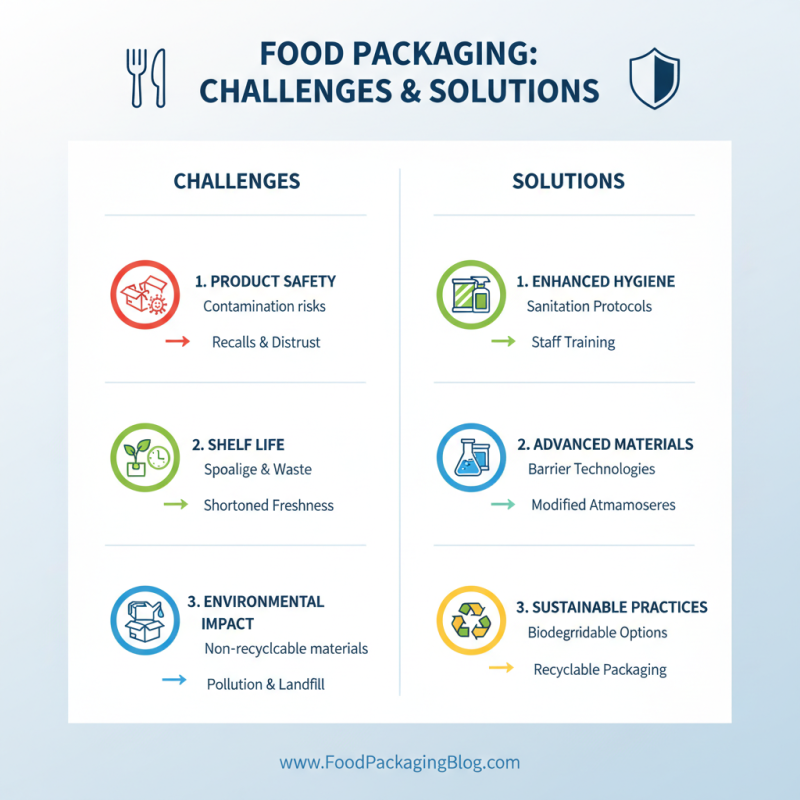
Food packaging faces several common challenges that impact efficiency and quality. One major concern is ensuring product safety. Contamination can occur during packaging, leading to recalls and consumer distrust. Implementing rigorous sanitation protocols during the packaging process can help mitigate this risk. Regular training for staff on hygiene practices is essential.
Another significant issue is maintaining product freshness. Many foods are vulnerable to spoilage due to exposure to air and moisture. Utilizing vacuum sealing or modified atmosphere packaging can extend shelf life. However, this often requires specialized equipment, which may not always be readily available.
Finally, sustainability is becoming increasingly important. Consumers are more aware of the environmental impact of packaging materials. Balancing the need for effective packaging with eco-friendly options is challenging. Companies may struggle with sourcing sustainable materials without compromising their packaging's performance. Regular evaluations and feedback loops can help identify areas for improvement in this regard.
A&B has become the leader in fresh packing and cleaning equipment for fruits and vegetables worldwide. We have achieved this by relentlessly working to produce new and innovative ideas, along with the best customer service on Earth combined with hard working, dedicated, loyal employees and the latest industrial manufacturing techniques. We are now proud to say that we manufacture The Fulcrum Fresh Harvester, this is a one of a kind Berry Harvester that was specifically designed to handle fresh pick blueberries.
732 W. Saint Joseph Street
Lawrence, MI 49064
Phone: 269-539-4700 Fax: 269-539-4705
sale@industrialpackagingmachines.com